
The modern world of professional competition has evolved into a dynamic ecosystem where dozens of significant events take place every day. For a true fan, the ability to navigate this constant stream of information is no longer just an advantage—it is a critical skill. Strategic planning of personal time allows one to transform chaotic content consumption into a structured and deeply engaging experience. Using a detailed competition calendar becomes the key tool that helps set the right priorities and ensures that no decisive moment is missed. This systematic approach is what ultimately distinguishes a casual viewer from a dedicated analyst of their favorite discipline.
Navigating the World of Big Competition: The Art of Time Management
In today’s world of professional sports and esports, the intensity of events has reached its peak. For passionate fans, staying “in the loop” no longer means simply knowing the name of a favorite team—it requires real strategic time management. The abundance of parallel tournaments, qualifiers, and show matches creates a constant information overload where it is easy to miss the most important moments. This is where a detailed competition calendar becomes invaluable, transforming chaotic viewing habits into a structured and enjoyable leisure activity.
The first step toward a quality viewing experience is understanding the timing and logistics of events. By following an up-to-date CS2 tournament schedule, fans can identify priority matches in advance and avoid having to choose between several streams at the same time. This prevents the frustration of missing a grand final or a decisive round simply because the start time was unclear. In this sense, a calendar acts as a navigator, helping fans highlight key dates among hundreds of secondary events and ensuring maximum immersion in the game.
Beyond its practical value, a schedule also enables deeper analysis of team performance. When fans see the sequence of tournaments, it becomes easier to understand how intense a team’s schedule is and whether players have enough time to rest and prepare new strategies. This adds analytical depth to the viewing experience: you begin to recognize the reasons behind sudden slumps or unexpected surges in performance based on how busy a team’s calendar has been. In this way, an ordinary viewer gradually evolves into an informed observer who understands the full context of the season.
Psychological Comfort and Social Interaction
Planning how and when to watch competitions also has an important psychological dimension. Anticipating a major event marked on the calendar creates a positive emotional background and strengthens the feeling of belonging to a global community. Setting aside a specific evening for a broadcast helps separate workdays from leisure time, making free time more meaningful and enjoyable. It also helps avoid the “fear of missing out” (FOMO), since you already know exactly what you will watch and when, instead of checking updates every few minutes.
The social aspect also benefits from a structured approach. When you and your friends share the same calendar, it becomes much easier to organize a group viewing at home or in a pub. Discussions about match results become far more engaging when everyone understands the context and background of the tournament. This strengthens connections within the fan community, transforming an individual hobby into a shared cultural experience where each participant feels like part of something larger.
Moreover, a schedule allows fans to interact more effectively with analysts and content creators. Knowing the date of a match in advance gives you time to read predictions, watch interviews with players, or review statistical reports. This makes the viewing experience more interactive: instead of passively watching the broadcast, you engage with the story behind the event, understanding the personal narratives and professional challenges behind every move in the game.
The Economics of Attention and Resource Management
In the digital age, attention is one of the most valuable resources. Viewers who lack a clear plan often spend hours watching low-stakes matches, leaving little energy or time for the decisive stages of a major tournament. A detailed calendar helps “budget” your attention by directing it toward the most meaningful and high-quality matchups. This is especially important for people with busy schedules, where every free hour counts.
A well-structured schedule also helps prevent emotional burnout. The constant flow of content can lead to fatigue even when it comes to a favorite game. By choosing only the tournaments that genuinely interest you, a calendar allows you to take intentional breaks. This selective approach preserves excitement and keeps the hobby enjoyable, preventing it from turning into a routine obligation that drains your energy.
From a financial perspective, calendars can also help fans plan trips to LAN finals or major tournaments in other cities or countries. Booking flights and hotels months in advance based on official event dates can significantly reduce costs. In this way, strategic planning turns the dream of attending a live event into a realistic and financially manageable goal.
Influence on the Gaming Industry and Ecosystem
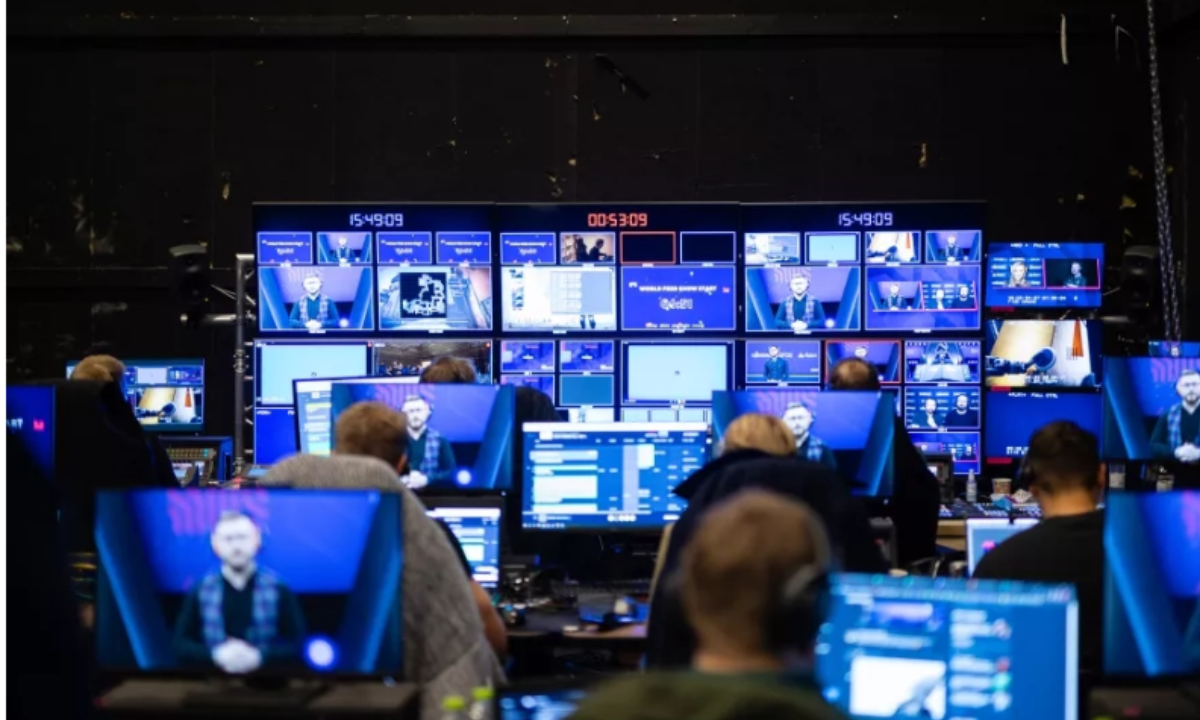
A strong culture of using competition calendars among fans also benefits the entire industry. When organizers see consistent interest and predictable audience engagement, they can better prepare broadcasts and attract sponsors. This creates a positive cycle: the more fans plan their viewing, the higher the production quality becomes, making events even more appealing to watch or attend.
It also encourages the development of mobile apps and platforms designed to track statistics and event schedules. Interactive calendars with reminders, real-time results, and direct links to streams are becoming essential parts of the esports ecosystem. These tools enable new forms of engagement, such as fantasy leagues, where success depends on a participant’s ability to analyze schedules and evaluate players’ form over time.
Finally, systematic content consumption helps preserve the history of a discipline. Calendars of past seasons serve as archives of great victories and dramatic defeats. Fans who track these events gain a deeper understanding of generational shifts and the evolution of the game. This nurtures respect for the traditions of esports or sports in general, turning fans from passive observers into guardians of the history of their favorite teams and players.
Conclusion
Strategic planning through a detailed competition calendar is not merely a convenience—it is a necessity for the modern fan. It helps organize time and resources while significantly enriching the emotional experience of watching competitions. A calendar becomes a bridge between the viewer and the vast world of competitive events, turning every match into an anticipated moment with its own story and context. The ability to manage your schedule today ultimately determines how exciting and fulfilling your journey through the world of competitive sports will be tomorrow.