
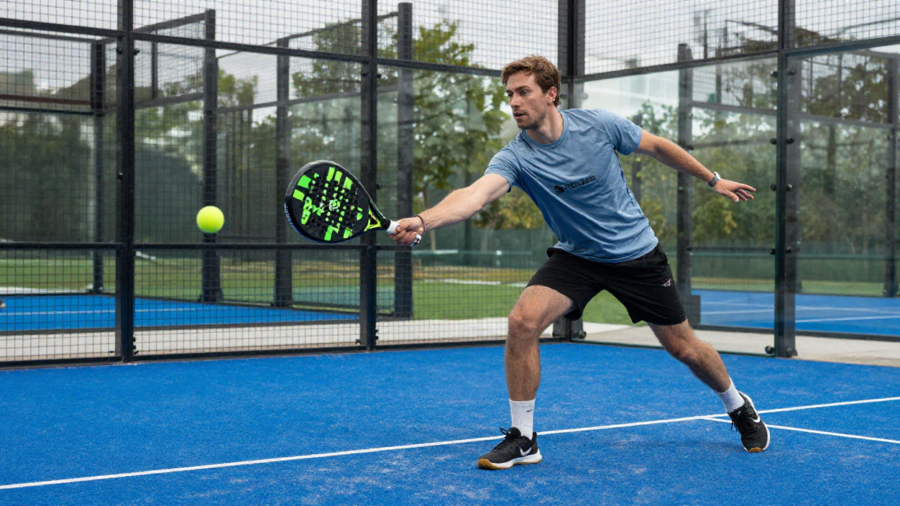
How to Play Padel is a fast-growing racket sport that combines elements of tennis and squash. It is played on a smaller, enclosed court, and the walls are part of the game, allowing the ball to bounce off them during rallies. Unlike tennis, padel rackets are solid and perforated, and the ball has slightly lower pressure, making it easier for beginners to control. Padel is becoming increasingly popular worldwide because it is easy to learn, social, and fun.
What You Need to Start Playing Padel
To start playing padel, you will need a padel racket, which is solid and perforated, providing more control than a tennis racket. Padel balls are similar to tennis balls but have slightly lower pressure for easier play. Proper court shoes with lateral support and non-marking soles are essential for quick, safe movements on the court.
Clothing – Comfortable Sportswear
Wear breathable and flexible clothing that allows free movement. Activewear, shorts, leggings, and T-shirts are ideal. Avoid heavy fabrics or jeans, and ensure your shoes are designed for court sports rather than running shoes.
Padel Court – Indoor vs Outdoor
How to Play Padel can be played both indoors and outdoors. The standard court size is 20 meters long and 10 meters wide, enclosed with walls of glass and metal mesh. The walls are part of the game, creating longer rallies and making the sport more strategic and exciting.
Basic Rules of Padel
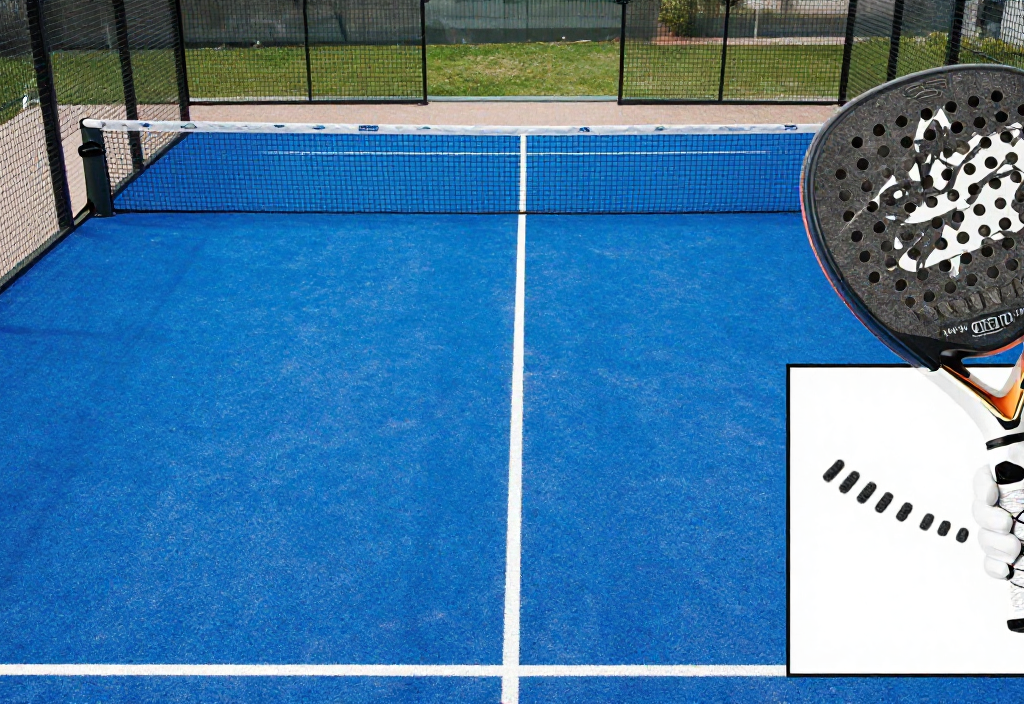
A padel court is rectangular and enclosed, with a net dividing the court into two halves. The walls can be used during play, allowing the ball to bounce off them after it hits the ground. This creates a unique dynamic compared to tennis.
Scoring System
How to Play Padel uses the same scoring system as tennis:
- Points progress as 0 (love) → 15 → 30 → 40 → game
- A set is won by winning six games with a two-game margin
- Matches are usually best of three sets
Serving Rules
The serve must be underhand, and the ball should bounce once before being hit. It must land diagonally in the opponent’s service box. If the ball touches the net but lands in the correct box, the serve is replayed.
General Gameplay Rules
After the serve and initial return, the ball can bounce off the walls as long as it first hits the ground. If the ball touches the metal mesh before the bounce, it is considered out. The goal is to keep rallies going and win points by placing the ball strategically.
How to Play Padel: Step-by-Step
Start with a comfortable grip, similar to a continental tennis grip. For forehands, keep your wrist firm and focus on clean contact with the ball. Beginners often use a two-handed backhand for better control and stability.
How to Serve Correctly
Stand behind the service line, drop the ball, and let it bounce once before striking it underhand. Aim diagonally to land the ball in your opponent’s service box. Accuracy is more important than power for beginners.
Basic Shots – Forehand, Backhand, Volleys, and Smashes
- Forehand & Backhand: Return ground shots after the bounce.
- Volley: Hit the ball before it bounces to cut off your opponent’s shot.
- Smash: Powerful overhead shot used to win points.
Playing Doubles – Positioning and Teamwork
Padel is mostly played in doubles. Typically, one player stays near the net while the other covers the baseline. Communication and coordination with your partner are essential to cover the court effectively and anticipate shots.
Tips for Beginners How to Play Padel
Many beginners make the mistake of hitting the ball too hard, thinking power will win points. Serving like you do in tennis is another common error, as padel requires underhand serves with control. Failing to pay attention to court positioning can lead to easy points for your opponent. Ignoring the walls and how the ball bounces often causes mistakes during rallies.
How to Improve Footwork and Reflexes
Footwork is essential in padel because the court is small and the ball moves quickly. Practicing sideways, forward, and backward movements helps you reach shots on time. Quick reflexes allow you to respond to your opponent’s angled or bounced shots. Maintaining balance while moving ensures accurate strokes and reduces errors.
Practice Drills to Get Better Fast
Consistent practice is key to improving in How to Play Padel. Alternating forehands and backhands with a partner helps you develop control and accuracy. Practicing repeatedly will improve your consistency and placement. Simple wall drills allow you to work on rebounds and shot anticipation. Regular practice builds confidence, strengthens skills, and accelerates your progress on the court.
Advanced Techniques (Optional)
- How to Anticipate Your Opponent’s Shots: Watch your opponent’s racket and body position to predict where the ball will go. Anticipation allows you to move early and take control of rallies.
- Using Spin and Angles Effectively: Advanced players use spin and angled shots off the walls to make returns harder for opponents. Gentle slicing and creative angles can create opportunities to win points.
- Strategies for Winning Doubles Matches: How to Play Padel winning doubles matches relies on teamwork, good communication, and controlling the net area to limit your opponents’ attacking options.
Benefits of Playing Padel
- Physical Health Benefits: Padel improves cardiovascular fitness, agility, and coordination due to its fast-paced movements and strategic play.
- Mental and Social Benefits: Playing padel in doubles promotes teamwork, communication, and social interaction. The mental focus required also helps reduce stress and improve concentration.
Final Thoughts
Learning how to play padel is straightforward and fun. By understanding the basic rules, practicing essential shots, and working with a partner, anyone can start playing and improving quickly. Padel is not only a great workout but also a social and engaging sport that can be enjoyed by people of all ages and skill levels. Grab a racket, find a court, and experience the exciting world of padel today!
FAQs About How to Play Padel
How long does it take to learn padel?
Many beginners can start rallying after a few sessions. Consistent practice accelerates improvement.
Can padel be played indoors and outdoors?
Yes, padel courts exist both indoors and outdoors, with the same rules applying in either setting.
Is How to Play Padel suitable for all ages?
Yes, padel is accessible to children, adults, and seniors due to its manageable court size and inclusive gameplay.
What’s the difference between padel and tennis?
Padel courts are smaller and enclosed, rackets are solid, and walls are part of gameplay, unlike in tennis.
Do I need to be fit to start playing padel?
No. Beginners can start with basic rallies and gradually improve fitness as they play more.