
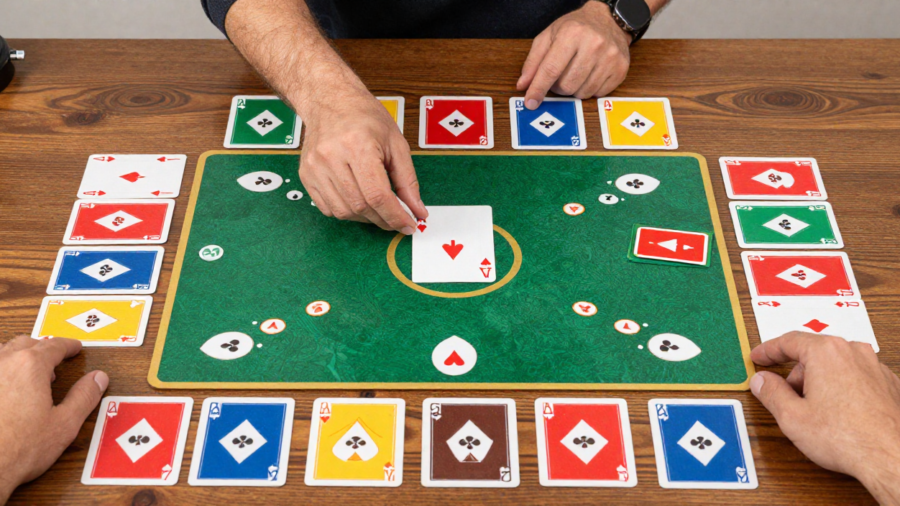
How to Play War Card Game is a classic, easy-to-learn game that has been enjoyed by children and adults for generations. It is played with a standard 52-card deck, where the main objective is to win all the cards by having higher-ranked cards than your opponent in each round. The game is mostly based on luck, which makes it simple and entertaining.
What You Need to Play War Card Game
- Number of Players: The traditional version of War is best played with two players, though you can modify it for three or more players. In multiplayer games, cards are dealt evenly among all participants.
- Deck of Cards: You will need a standard 52-card deck with no jokers. How to Play War Card Game only the card ranks matter in this game, with Aces being the highest, followed by Kings, Queens, Jacks, and numbered cards from 10 down to 2.
- Optional Items: While not required, a flat surface or table makes it easier to play. Some players use card mats or trays to keep their cards organized, but this is entirely optional.
Setup: How to Prepare the Game
- Shuffling and Dealing Cards: Start by shuffling the deck thoroughly. Then deal all the cards face down, giving each player an equal portion of the deck. Players do not look at their cards during setup.
- Organizing Each Player’s Deck: Players keep their decks face down and do not rearrange the order of cards. This adds an element of surprise to each round and keeps the gameplay fair and straightforward.
Rules of How to Play War Card Game
- How a Round is Played: Each player flips the top card of their deck at the same time. The player with the higher card value wins the round and places both cards at the bottom of their deck. Suits are irrelevant; only the card ranks matter.
- What Happens in a “War” (Tie): If both players reveal cards of the same rank, a war begins. Each player places three cards face down and then one card face up. The player with the higher face-up card wins all the cards on the table. How to Play War Card Game face-up cards are still tied, the war continues until one player wins.
- How to Win a Round: A round is won by having a higher-ranking card than your opponent, either during regular play or after a war. The winner collects all cards played in that round and adds them to the bottom of their deck.
Step-by-Step Gameplay Example
- Example of a Regular Round: Player A flips a King, and Player B flips a 7. Player A wins the round and adds both cards to the bottom of their deck.
- Example of a War Round: Both players flip a Jack, resulting in a war. Each player places three cards face down, then one face-up card. The player with the higher face-up card wins all the cards in play from that round.
Tips and Strategies to Win
- Playing Patiently: Although War is largely a game of luck, staying calm and patient keeps the game enjoyable. The randomness of the card order makes patience a key part of the fun.
- Keeping Track of Cards: While you can’t control the cards you draw, How to Play War Card Game noticing which high cards have already appeared can give you a slight edge and help anticipate the flow of the game.
- Making It Competitive and Fun: You can make War more engaging by adding small challenges, like “first to 20 cards” or fun dares for the losing player. This adds excitement even when luck plays a big role.
Common Mistakes to Avoid
- Misunderstanding the War Rules: A common mistake is forgetting that during a war, only the final face-up card determines the winner. Face-down cards are only part of the process, not a separate winning factor.
- Losing Track of Cards: Players sometimes confuse which cards belong to them, especially after several rounds or wars. Keeping your stack organized prevents confusion.
- Playing Too Fast: Rushing through the game can lead to mistakes. Taking your time ensures that wars and rounds are resolved correctly and keeps the game enjoyable.
Variations of the War Card Game
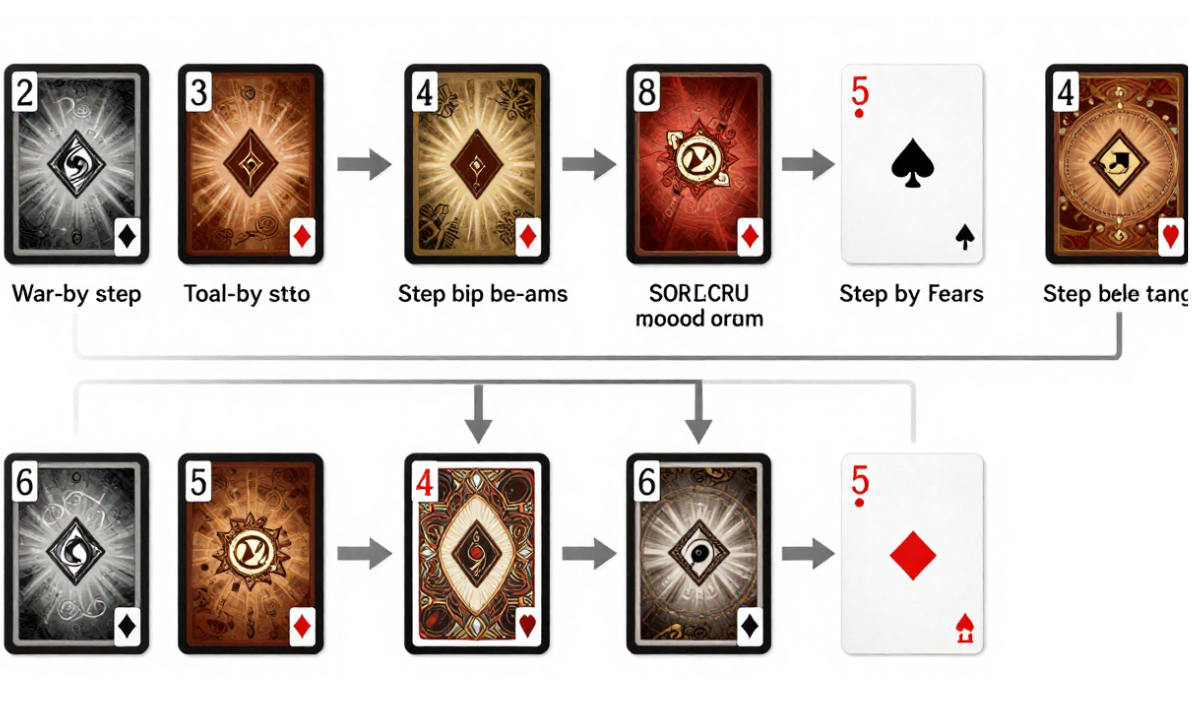
- Multi-Player Versions: War can be played with three or more players by dealing cards evenly. During wars, all tied players participate in the process until a winner is determined.
- Fast or Short Versions: Some players shorten the war by placing only one card face down before the final face-up card. How to Play War Card Game reduces game length while keeping the excitement.
- Fun House Rules: Players often create house rules like adding jokers as the highest cards, or using special rules for wars. These variations make the game more interesting in casual settings.
Why War Card Game is Still Popular
- Easy to Learn: War is beginner-friendly with extremely simple rules, making it accessible for anyone, regardless of age or skill level.
- Suitable for All Ages: Because it requires no reading or complex strategy, War works for children, teens, and adults alike.
- Fun for Family and Friends: It’s a perfect choice for family game nights, travel, or any quick gameplay session, requiring only a deck of cards.
Wrapping Up
Learning how to play war card game is simple, fun, and perfect for all ages. With easy-to-follow rules and minimal setup, anyone can start playing within minutes. The game’s luck-based nature keeps each round exciting and unpredictable. There are countless variations to keep gameplay fresh and engaging. It’s ideal for family nights, casual fun with friends, or even solo practice.
FAQs About How to Play War Card Game
How many players can play War card game?
Traditionally, War is designed for 2 players. However, it can be easily adapted for 3 or more players by dealing cards evenly.
Do suits matter in How to Play War Card Game?
No, suits have no effect on gameplay. Only the rank of the card determines the winner in each round.
What happens during a “war”?
When a tie occurs, each player places three cards face down and one card face up. The higher face-up card wins all the cards on the table.
Can children play How to Play War Card Game?
Yes, War is simple enough for children to learn quickly. It’s also entertaining and engaging for players of all ages.
How long does a typical War card game last?
Game duration varies depending on luck and deck order. A typical game can last anywhere from a few minutes to over 20 minutes.