
The early 2000s marked a pivotal period in the history of video games. This era, dominated by the sixth generation of consoles, introduced systems that transformed how people played and experienced games. Known for the rise of PlayStation 2, Xbox, Nintendo GameCube, and Sega Dreamcast, the period is defined by technological advancements that shaped modern gaming. Early 2000s consoles not only improved graphics and processing power but also expanded into online capabilities and multimedia functions, setting a foundation for future consoles.
What Defined the Early 2000s Console Era
One of the most significant changes in this era was the shift from cartridges to optical discs such as CDs and DVDs. This allowed for much larger game storage, enabling developers to create richer graphics, more complex audio, and expansive game worlds. PlayStation 2, in particular, benefited from DVD technology, allowing it to double as a DVD player, which helped cement its appeal as a multimedia device.
Rise of 3D Graphics and Processing Power
Early 2000s consoles prioritized 3D graphics over the 2D designs that dominated the 1990s. Advanced CPUs and GPUs allowed real-time rendering of detailed environments, realistic character models, and dynamic lighting effects. Consoles like the PlayStation 2 and Xbox featured specialized processors and graphic units designed to handle these demands.
Emergence of Online Gaming Features
This generation introduced online gaming to consoles on a significant scale. Microsoft’s Xbox launched Xbox Live in 2002, enabling console players to connect online for multiplayer experiences. Sega Dreamcast had earlier experimented with online connectivity through SegaNet.
Major Consoles of the Early 2000s consoles
PlayStation 2: Market Dominance and Versatility
The PlayStation 2, launched in 2000, became the best-selling console of all time. Its success stemmed from a combination of a vast game library, backward compatibility with original PlayStation titles, DVD playback capability, and affordable hardware.
Xbox: The Birth of Console Online Gaming
Microsoft entered the console market in 2001 with the Xbox. Its integrated hard drive and Ethernet port allowed for saved games, downloadable content, and Xbox Live online multiplayer. With titles like Halo 2 driving online communities, the Xbox demonstrated the potential of connecting consoles through the internet.
Nintendo GameCube: Unique Design and Gameplay Focus
The Nintendo GameCube also launched in 2001 and stood out with its compact design and proprietary miniDVD format. While it lacked DVD playback, it emphasized innovative first-party games such as Super Smash Bros. Melee and Metroid Prime.
Sega Dreamcast: Innovation Ahead of Its Time
The Dreamcast, released in 1998/1999, is often considered ahead of its time. It introduced online console gaming via its built-in modem and innovative accessories like the Visual Memory Unit (VMU), which acted as both a memory card and a secondary screen.
Hardware Evolution in Early 2000s Consoles
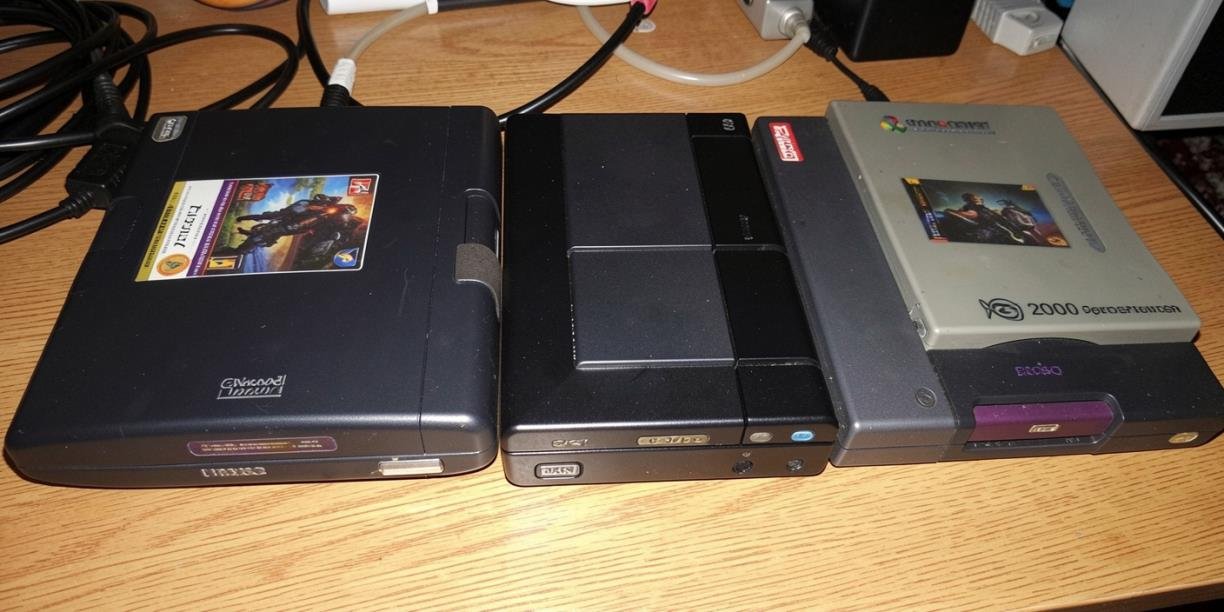
It featured substantial improvements in processing and graphics. The PlayStation 2 used the Emotion Engine CPU alongside the Graphics Synthesizer GPU, enabling complex 3D rendering. The Xbox borrowed PC-style architecture, with an Intel CPU and Nvidia GPU, offering powerful graphics capabilities that rivaled gaming PCs of the time.
Storage Technology: CDs to DVDs
Optical media became the standard for this generation. DVD and CD technology allowed developers to create larger, more immersive worlds. While the PlayStation 2 used standard DVDs, the GameCube opted for smaller miniDVDs, balancing cost, design, and protection against piracy.
Memory and Performance Improvements
Early 2000s consoles in this era significantly upgraded RAM and storage solutions. Xbox’s built-in hard drive provided faster access to data and allowed for downloadable content, while other systems like the GameCube and PS2 relied on memory cards.
Controller Design Innovations
Controllers evolved to support advanced gameplay mechanics. Analog sticks, triggers, and ergonomic designs became standard, allowing for precise movement and complex in-game actions. The Dreamcast introduced unique ideas with its VMU, while PlayStation 2 and Xbox refined traditional controller layouts to enhance user experience.
The Rise of Online Gaming
Online connectivity became a key differentiator among early 2000s consoles. Sega Dreamcast pioneered this with its built-in modem, while PlayStation 2 and Xbox expanded online capabilities with adapters and Xbox Live, respectively.
Xbox Live and Online Multiplayer Growth
Xbox Live allowed players to connect globally, compete in multiplayer matches, and communicate through voice chat. This marked a turning point in console gaming, establishing the foundation for modern online multiplayer ecosystems.
Early Challenges of Online Gaming
Despite the excitement, early online gaming faced challenges including slow connections, limited broadband adoption, and subscription models. These hurdles were gradually overcome, setting the stage for today’s seamless online gaming experiences.
Graphics and Visual Improvements
The transition to fully 3D game worlds defined the visual progression of early 2000s consoles. Developers leveraged advanced graphics hardware to create expansive environments, realistic textures, and dynamic camera systems.
Real-Time Rendering and Lighting
Real-time lighting and shading techniques allowed games to respond to in-game events with realistic visuals. This enhanced immersion and contributed to more cinematic gameplay experiences.
Impact on Game Design and Experience
Improved graphics enabled more ambitious game design, including open-world environments and complex character animations. Titles like GTA: San Andreas demonstrated how console hardware could support massive, interactive worlds.
Audio and Multimedia Capabilities Early 2000s consoles
Audio capabilities improved with CD and DVD technology, allowing for higher-fidelity soundtracks and immersive effects. Many games featured orchestrated music, voice acting, and surround sound integration.
Consoles as Entertainment Hubs
PlayStation 2’s DVD playback turned consoles into multifunction entertainment systems. This trend signaled the move toward consoles as central living-room devices, capable of both gaming and media consumption.
Iconic Games That Defined the Era
Titles such as Grand Theft Auto: San Andreas on PS2 pushed hardware limits with vast open-world environments. Sonic Adventure 2 on Dreamcast showcased fast-paced gameplay and impressive visuals, while Xbox exclusives like Jet Set Radio Future demonstrated innovative graphics and art styles.
Influence on Future Game Development
These games influenced future development by showing what consoles could achieve. Developers began designing larger worlds, more complex AI, and cinematic storytelling tailored for console hardware.
Comparing Early 2000s Consoles
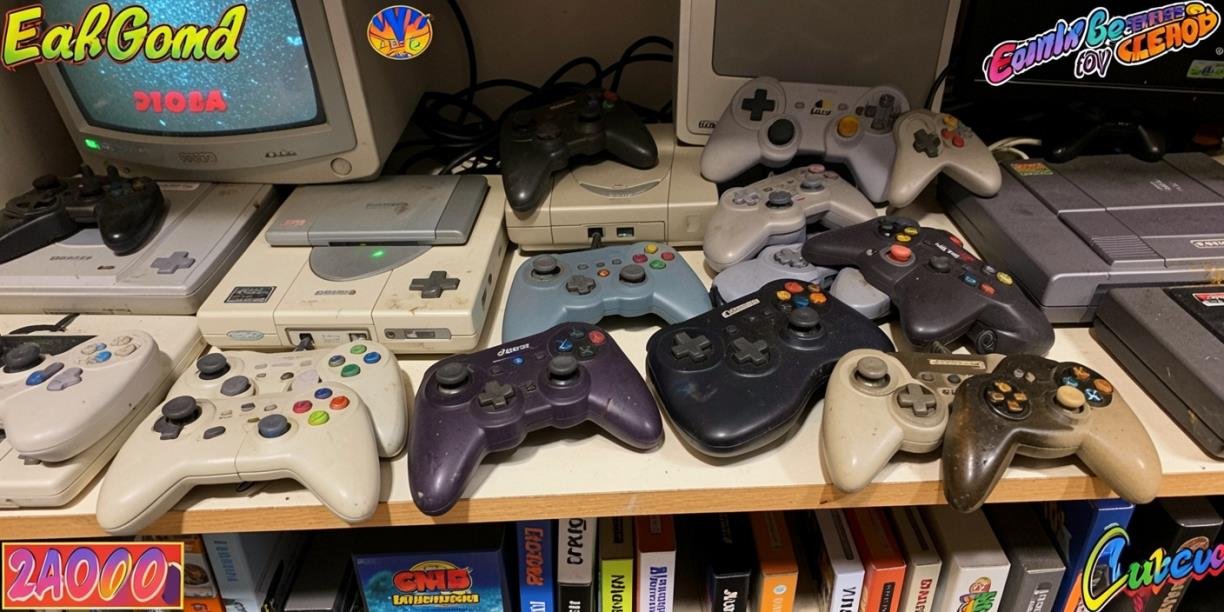
The PS2 offered versatility and backward compatibility, Xbox had superior processing power and online support, GameCube emphasized gameplay innovation, and Dreamcast pioneered online integration.
Strengths and Weaknesses of Each Console
Each console had trade-offs: PS2’s dominance came from its library and affordability, Xbox from its power and online capabilities, GameCube from creative gameplay, and Dreamcast from innovation but limited market impact.
Market Competition and Sales
Competition drove innovation, pushing companies to explore online features, multimedia functionality, and graphical advancements. The PS2 led in global sales, followed by Xbox and GameCube in smaller but significant markets.
Impact on Modern Gaming Hardware
- Influence on Today’s Consoles: Modern consoles reflect many foundations laid in the early 2000s, including integrated online services, advanced graphics engines, and multifunction entertainment features.
- Technological Foundations Built in the 2000s: Sixth-generation consoles introduced design philosophies, such as hard drives for data storage, digital downloads, and controller ergonomics, that continue to shape gaming hardware today.
Why Early 2000s Consoles Still Matter
- Nostalgia and Retro Gaming Culture: Many gamers remember it fondly for their iconic titles and experiences. Retro gaming communities and emulators keep these systems alive for new generations.
- Emulation and Preservation: Preserving it through emulation and archival efforts ensures that this transformative era of gaming remains accessible, inspiring developers and players alike.
Final Thoughts
The early 2000s console era reshaped the video game industry. These systems brought together technological innovation, multimedia functionality, and online connectivity, laying the groundwork for modern gaming. By pushing hardware limits and redefining how games were played, Early 2000s consoles left an enduring legacy that continues to influence the gaming landscape today.