
Nintendo has been a cornerstone of the gaming industry for decades. From the iconic NES to the revolutionary Nintendo Switch, their consoles have shaped how millions experience video games. If you’re a gamer, collector, or someone curious about gaming history, understanding Nintendo consoles in order is essential. Nintendo consoles have consistently pushed the boundaries of creativity and fun. Their games—think Mario, Zelda, or Pokémon—have become cultural icons that span generations.
The History of Nintendo Consoles
Nintendo started as a playing card company in 1889, but by the late 1970s and early 1980s, they were moving into electronic gaming. The Famicom, later known internationally as the NES, set the stage for decades of console innovation. The evolution from the NES to the Nintendo Switch shows Nintendo’s commitment to innovation. Key milestones include the SNES’s advanced graphics, the N64’s 3D gameplay, and the Wii’s motion controls.
Nintendo Home Consoles in Order
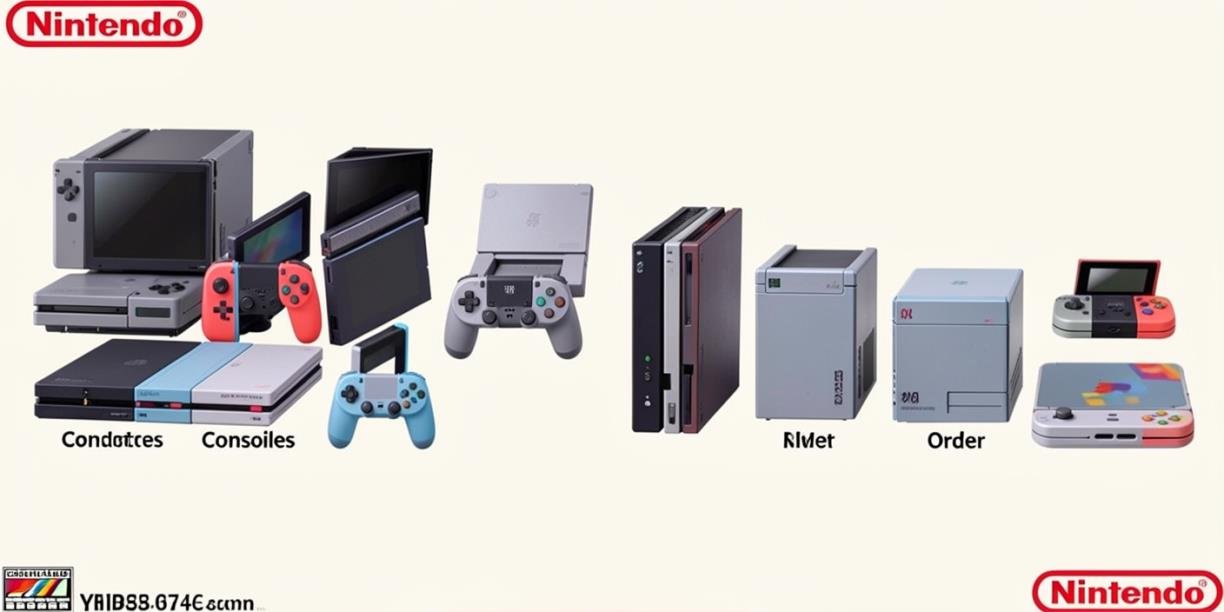
Here’s a Nintendo consoles in order detailed look at Nintendo’s major home consoles, listed chronologically:
NES (Nintendo Entertainment System, 1983 Japan / 1985 US)
The NES revived the video game industry after the 1983 crash. It featured a simple cartridge-based system and the iconic D-pad controller. Classic games like Super Mario Bros. and The Legend of Zelda became household staples. Its design set the standard for home gaming.
Super Nintendo Entertainment System (SNES, 1990 Japan / 1991 US)
The SNES brought 16-bit graphics, improved sound, and shoulder buttons for controllers. Popular titles include Super Mario World and Chrono Trigger. Enhancement chips like Super FX enabled advanced 3D effects. It solidified Nintendo’s reputation for quality and creativity.
Nintendo 64 (N64, 1996 Japan / 1996 US)
The N64 introduced 3D gaming with an analog stick and four-player support. Cartridges offered fast loading but limited storage. Iconic games include Ocarina of Time and Super Mario 64. It defined 3D platformers and multiplayer gaming in the 90s.
GameCube (2001 Japan / 2001 US)
Nintendo Consoles in Order, disc-based console with strong first-party titles like Metroid Prime and Super Smash Bros. Melee. Limited third-party support affected sales. Features included memory card saves and a portable design. Despite lower sales, it has a loyal fanbase.
Wii (2006 Japan / 2006 US)
The Wii introduced motion controls with the Wii Remote, appealing to casual gamers and families. Popular games include Wii Sports and Mario Kart Wii. Backward compatibility allowed GameCube games to play. It sold over 100 million units worldwide.
Wii U (2012 Japan / 2012 US)
The Wii U featured the innovative GamePad with a second-screen experience. Popular games include Super Mario 3D World and Splatoon. Marketing confusion limited adoption and its library. It paved the way for the hybrid Switch console.
Nintendo Switch (2017 Global Release)
Nintendo Consoles in Order hybrid console playable at home or on the go. Joy-Con controllers enable versatile gameplay. Top titles include Breath of the Wild and Animal Crossing: New Horizons. It revived Nintendo’s home console success worldwide.
Nintendo Switch OLED (2021)
An upgraded Switch with a 7-inch OLED screen and improved audio. Features include a wider adjustable stand for tabletop play. Games remain compatible with the standard Switch. Ideal for handheld gaming enthusiasts.
Nintendo Handheld Consoles in Order
Nintendo Consoles in Order has also dominated portable gaming, creating some of the most beloved handhelds:
Game Boy (1989) & Game Boy Color (1998)
The Game Boy introduced portable gaming to millions with long battery life and interchangeable cartridges. The Game Boy Color added a vibrant color screen while keeping backward compatibility. Popular titles included Tetris and Pokémon Red/Blue. It became the foundation of Nintendo’s handheld legacy.
Game Boy Advance (2001)
The Game Boy Advance was a 32-bit handheld with improved graphics and faster processing. It offered classic titles like Pokémon Ruby & Sapphire and Advance Wars. Its compact design and horizontal layout made it ergonomic. It expanded portable gaming capabilities significantly.
Nintendo DS (2004) & DS Lite / DSi (2006 / 2008)
Nintendo Consoles in Order DS introduced dual screens, including a touchscreen, and innovative gameplay mechanics. DS Lite and DSi improved portability, brightness, and storage options. Popular games include Nintendogs and Mario Kart DS. It became a landmark system for casual and core gamers alike.
Nintendo 3DS (2011) & 2DS (2013)
The 3DS offered 3D visuals without glasses, while the 2DS provided a more affordable, 3D-free version. Key titles included Pokémon X/Y and Super Smash Bros. 3DS. Enhanced processing allowed richer graphics and online connectivity. It continued Nintendo’s handheld dominance.
Nintendo Switch Lite (2019)
The Switch Lite is a portable-only version of the Nintendo Switch, ideal for gaming on the go. It supports all Switch software compatible with handheld mode. Smaller, lighter, and more affordable than the original Switch. Perfect for casual players and travelers.
Hybrid and Tabletop Nintendo Consoles
Nintendo’s hybrid consoles, starting with the Nintendo Switch (2017), combine home and handheld gaming in a single device. You can dock the Switch to play on a TV or use it in tabletop mode with its adjustable stand for multiplayer gaming on the go. The Switch Lite (2019) is a handheld-only version, ideal for portable play but cannot connect to a TV. The Switch OLED (2021) adds a larger, vibrant OLED screen and improved audio, enhancing tabletop and handheld experiences.
Pros and Cons of Nintendo Consoles in Order
| Category | Pros | Cons |
| Innovation | Introduced motion controls, touchscreens, and hybrid designs. | Some features were ahead of their time and not always fully utilized. |
| Exclusive Games | Iconic franchises like Mario, Zelda, and Pokémon. | Limited third-party support on some consoles (e.g., GameCube, Wii U). |
| Longevity | Many systems, like NES and SNES, remain playable decades later. | Older consoles can be hard to find and expensive on resale markets. |
| Hardware & Performance | Unique hardware enables creative gameplay experiences. | Graphics and processing often lag behind competitors’ consoles. |
| Commercial Success | Many consoles achieved massive sales (Wii, Switch). | Some models underperformed (Wii U, 2DS in early adoption). |
How to Choose the Right Nintendo Consoles in Order
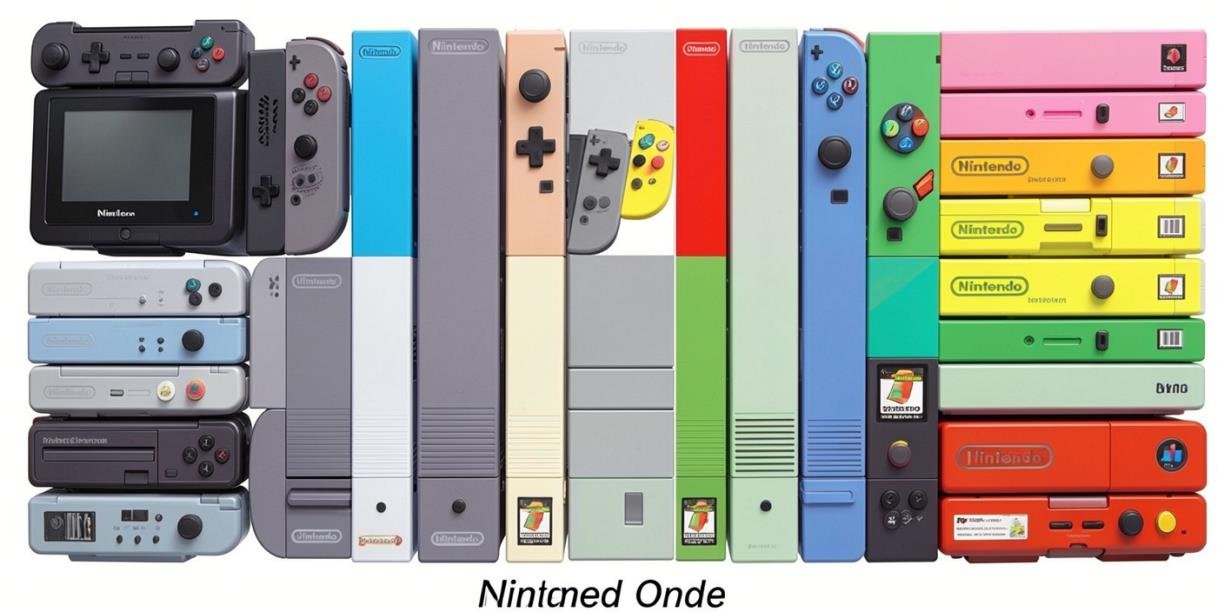
Choosing the right Nintendo console depends on your gaming style, budget, and the types of games you enjoy. Retro collectors often prefer classic systems like the NES, SNES, and N64 for nostalgia and historical value. Casual gamers may enjoy the Wii or Nintendo Switch for easy-to-play, modern titles. For family-friendly gaming, the Wii, Switch, or DS offer accessible multiplayer fun. Consider price and availability—older consoles can be costly on resale markets, while newer models are widely available.
Final Verdict
Whether you’re a seasoned gamer or just starting, knowing Nintendo consoles in order helps you appreciate the evolution of gaming. From the NES to the Switch OLED, Nintendo has continually innovated, creating consoles that are fun, memorable, and culturally significant. Pick the right console for your style, enjoy the games, and experience decades of gaming history!
FAQs
Which Nintendo Console is Best for Beginners?
The Nintendo Switch is ideal due to its hybrid design, diverse game library, and ease of use.
What is the Most Powerful Nintendo Console?
The Nintendo Switch OLED and standard Switch are the most advanced in Nintendo’s lineup.
Should I Buy Retro Consoles or Modern Ones?
If you want nostalgia, retro consoles are great. For ongoing game releases and versatility, modern systems like the Switch are better.